










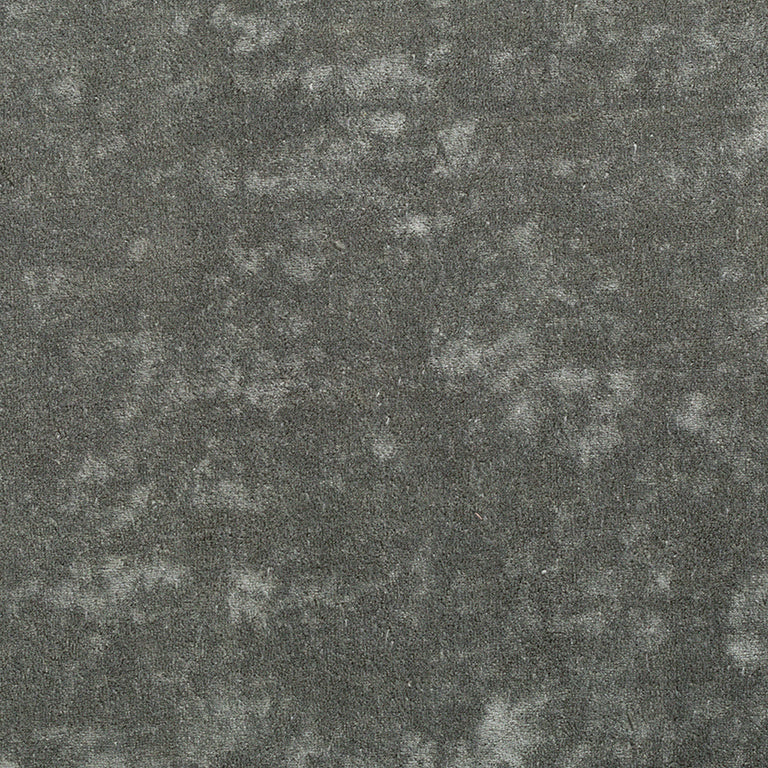

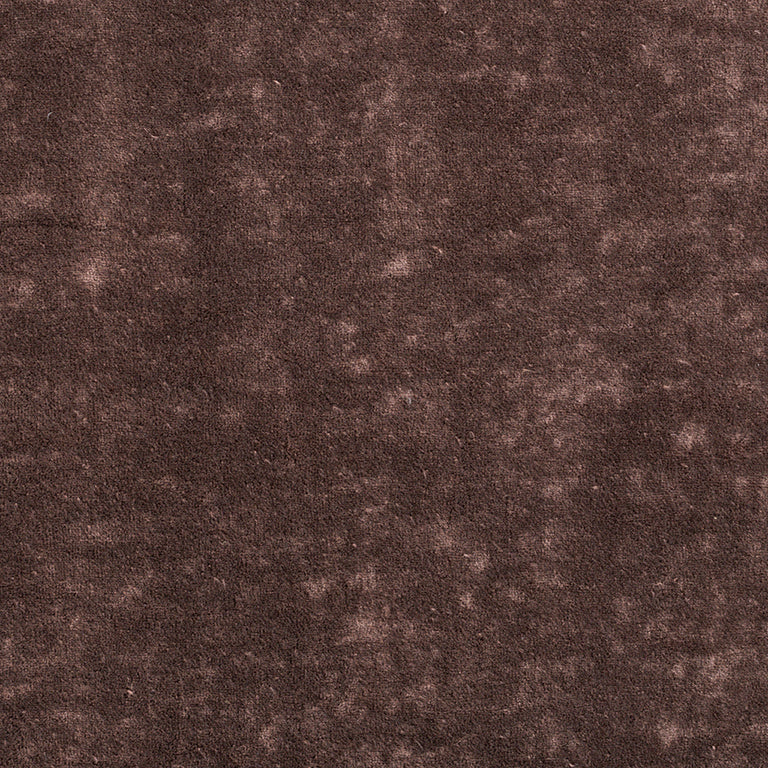

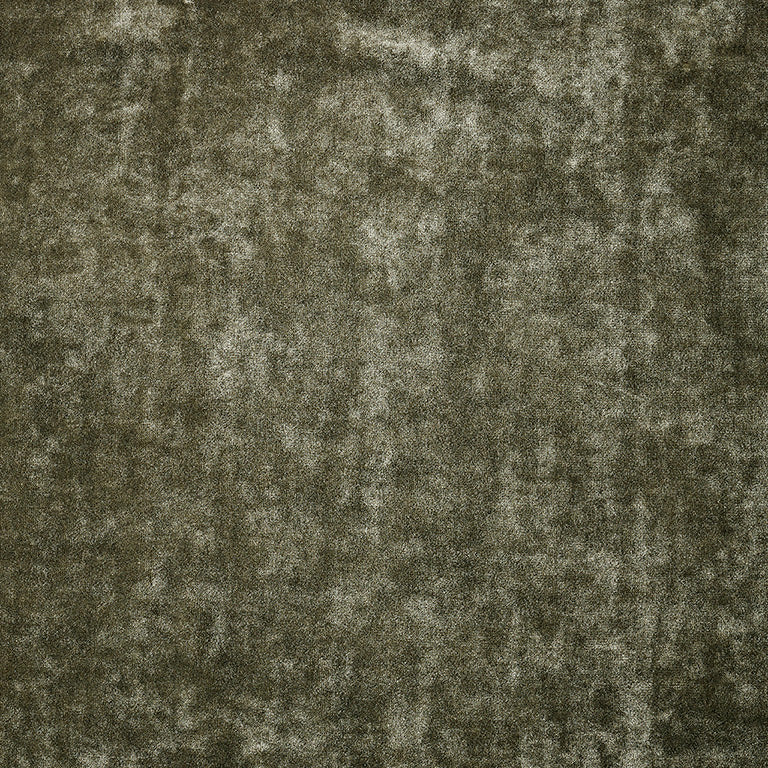



DESIGNER'S EDIT
Need help?
Velvet Fabrics FAQs
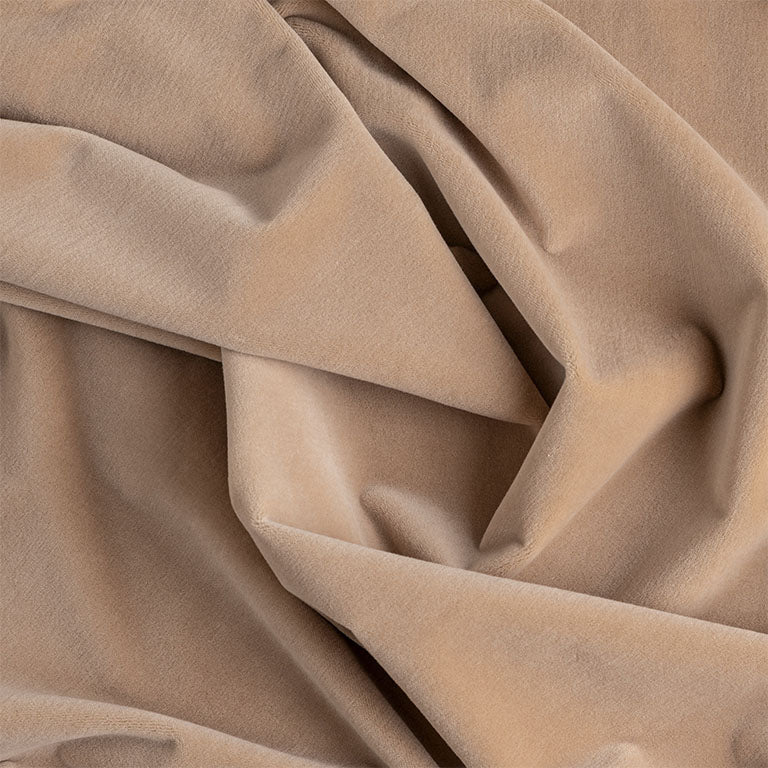
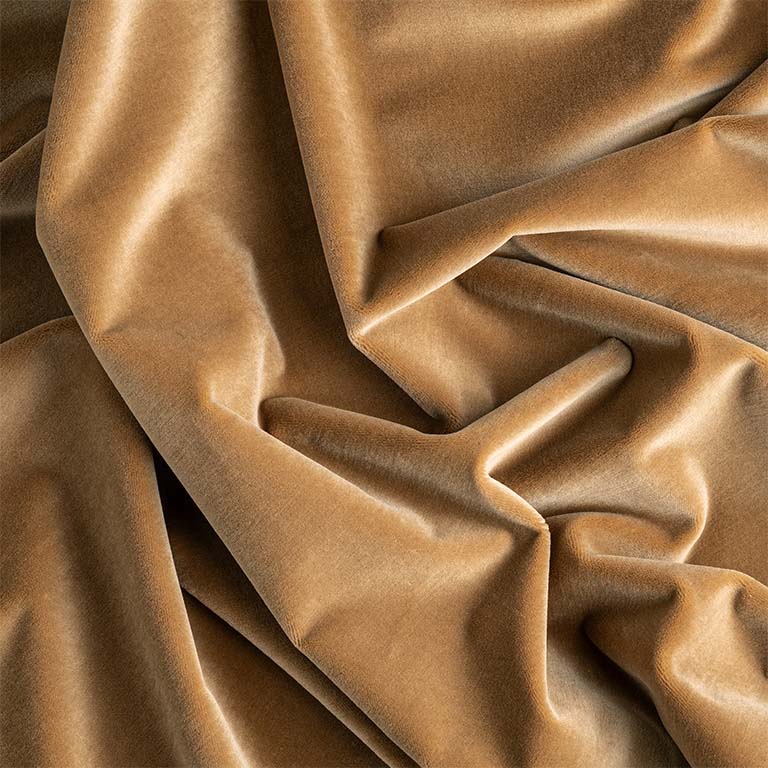
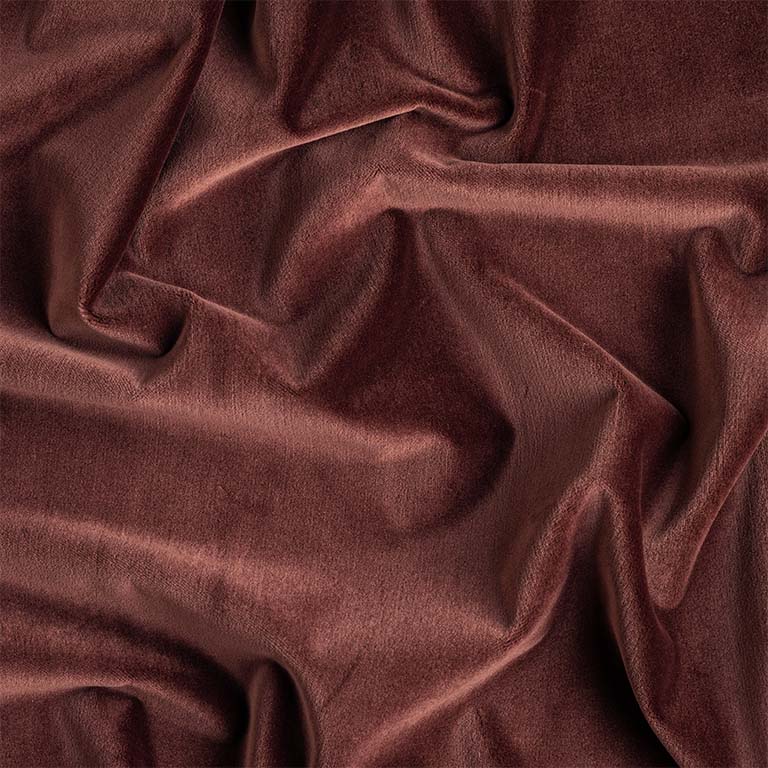
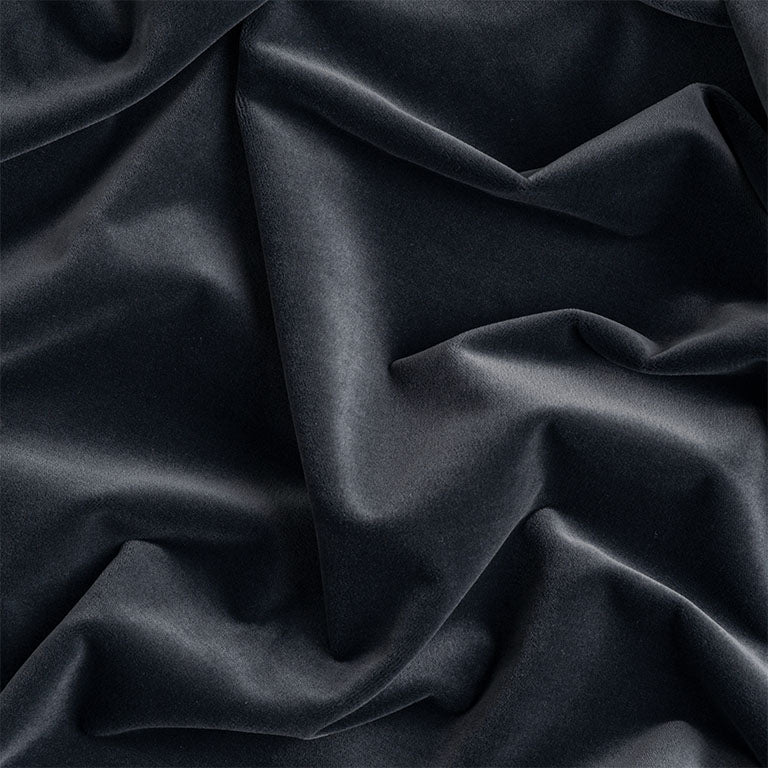
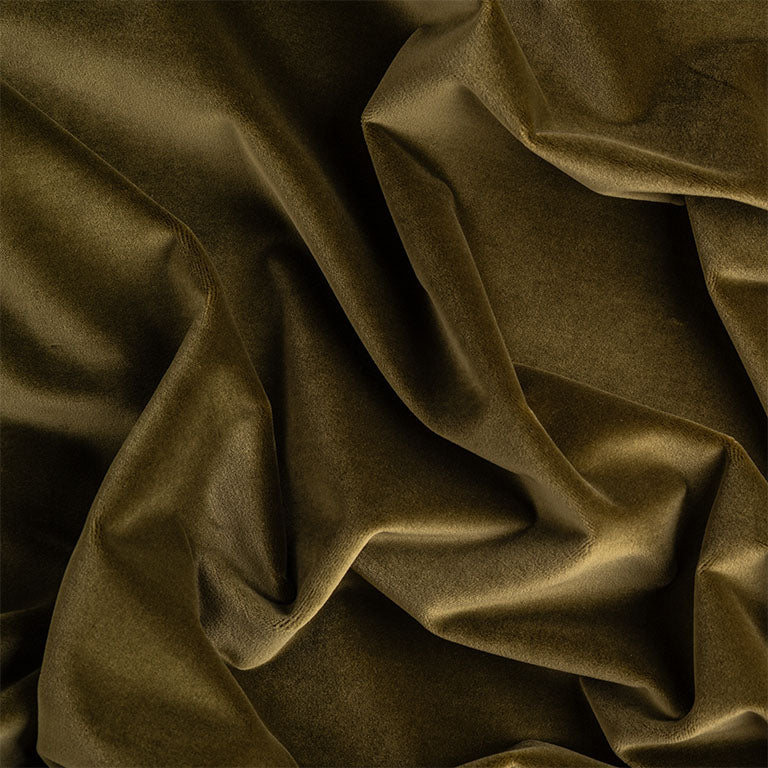
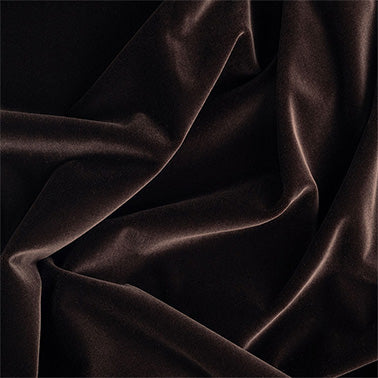
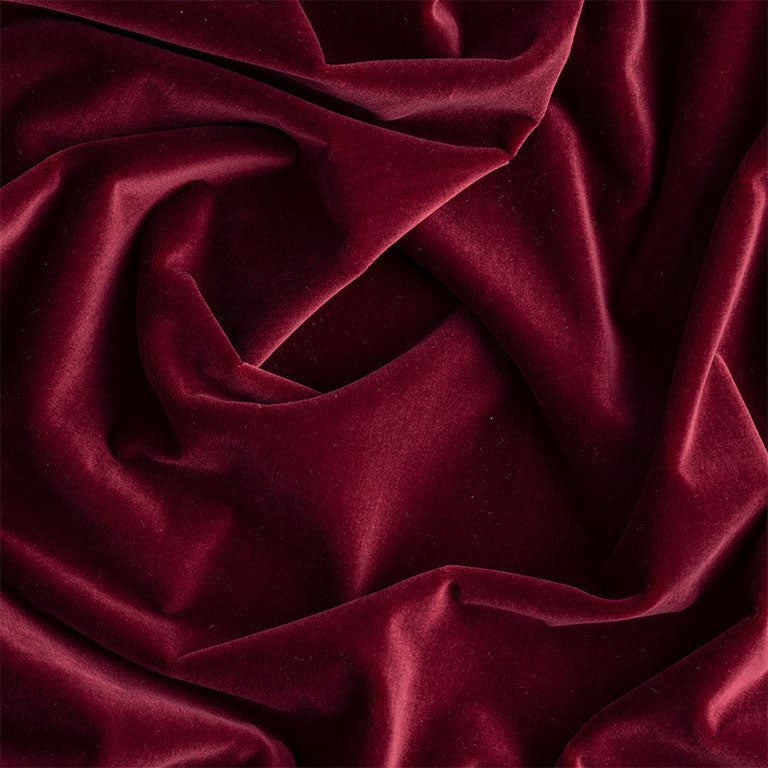
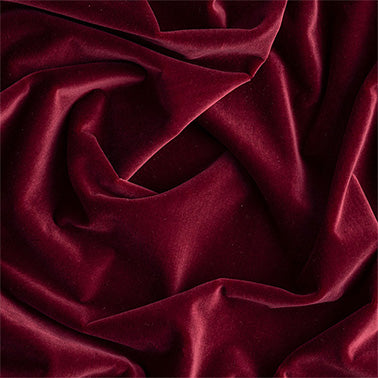
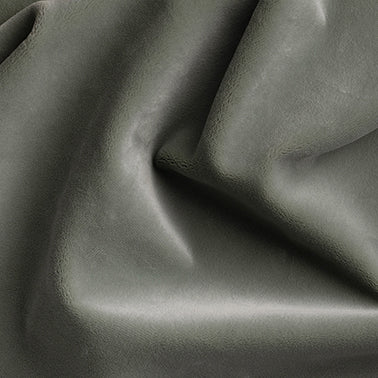
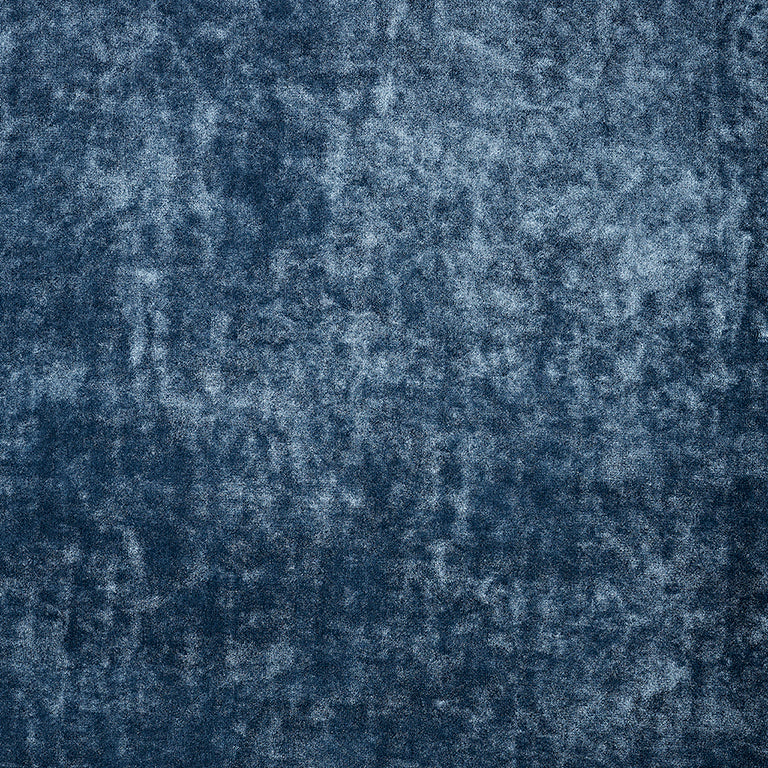
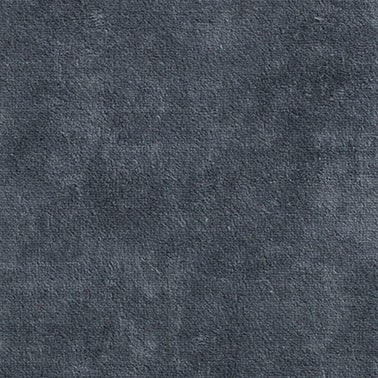
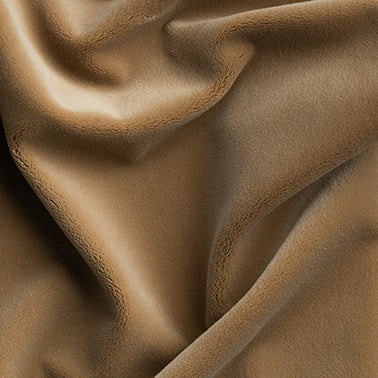
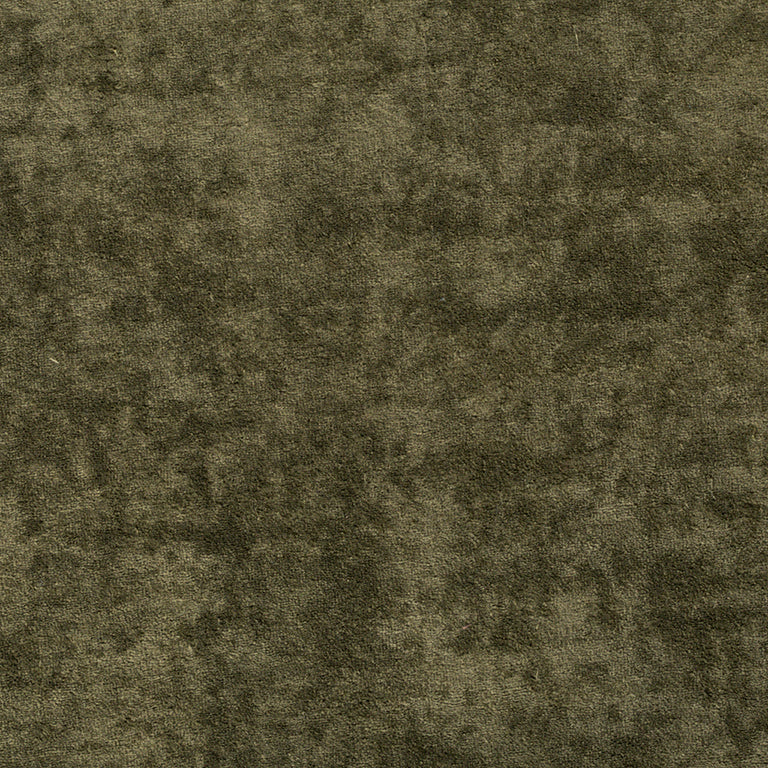
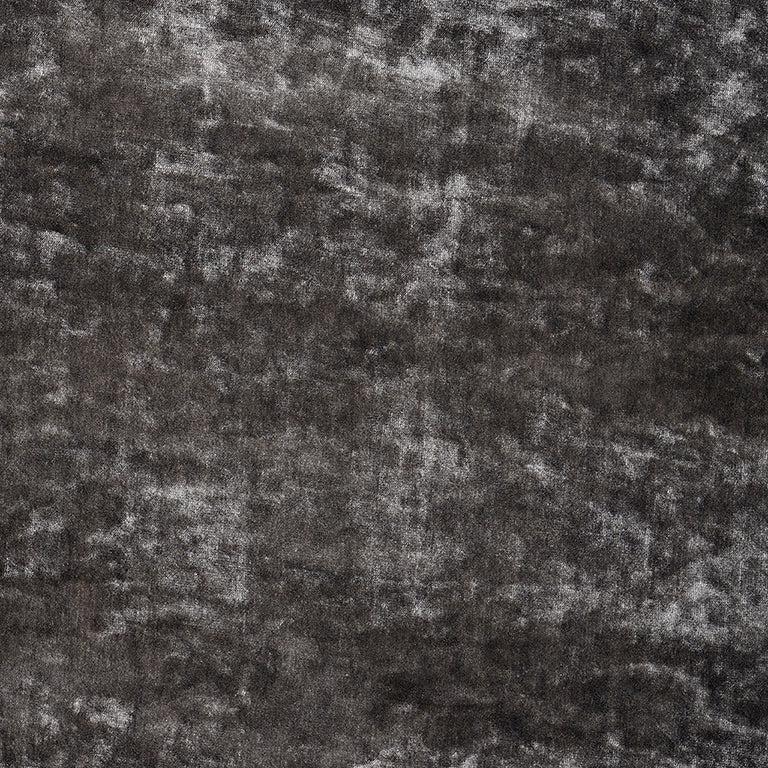
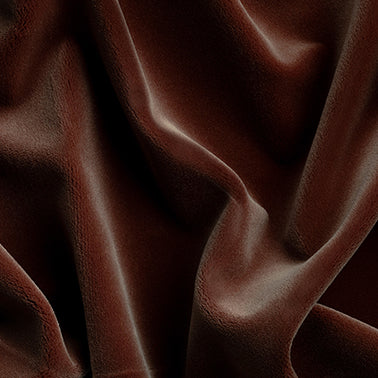
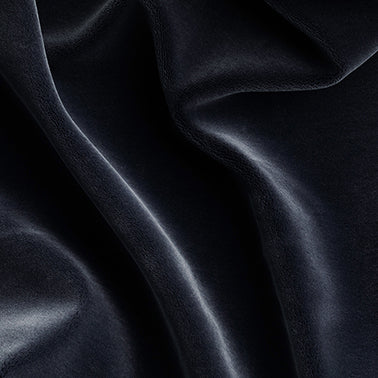
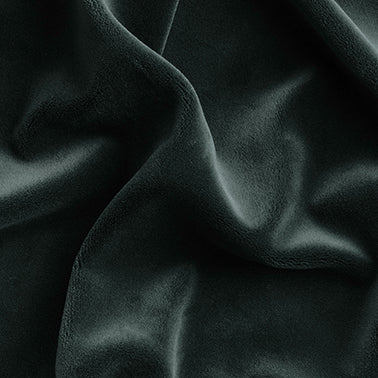
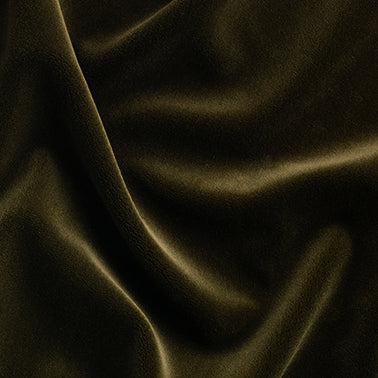
Velvet can be woven from many different fibres. de Le Cuona uses natural fibres such as cotton, linen and cashmere for a rich, tactile finish. Velvet's soft plush pile is created using specialist looms.
Double cloth method: The loom weaves two layers of fabric face-to-face simultaneously, with vertical pile warp yarns weaving back and forth between them. A specialized blade on the loom cuts these connecting threads in the middle, separating the layers and creating two pieces of cut-pile velvet.
Wire method: Pile threads are woven over wires inserted into the loom. A razor blade runs along it to cut the loops, forming a cut pile.
Yes, velvet is a woven fabric. It is produced on specialist looms that create its distinctive pile, giving the fabric depth, softness and a luxurious finish.
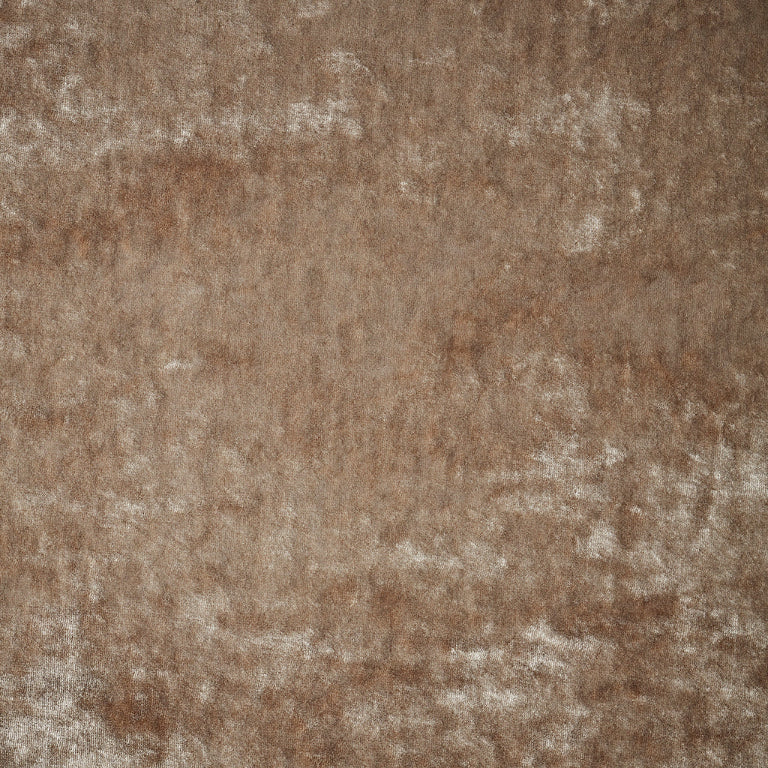
Velvet fabrics offer a unique combination of softness, depth and durability. Their rich texture and subtle sheen bring warmth and elegance to interiors, while their woven construction provides strength and longevity.
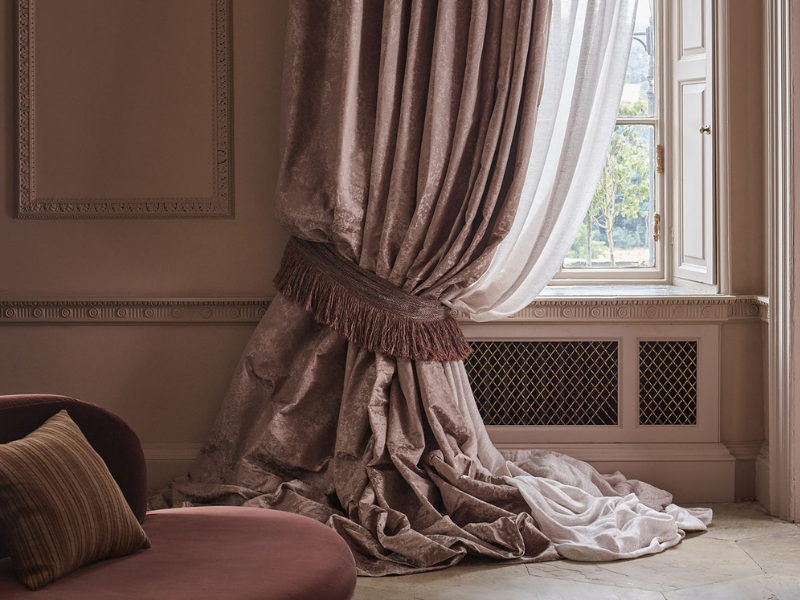
Yes — despite its luxuriously soft feel, natural‑fibre velvets offer durability on upholstered furniture. They also drape beautifully, making them well suited to curtains and a wide range of interior applications.
Velvet pairs well with natural fabrics such as linen, wool and silk. Combining velvet’s soft sheen with more textured or matte materials creates balance and adds depth to interior schemes.
Velvet shows marks because its pile moves when touched or brushed. This changes the way light reflects across the surface, creating natural shading that enhances the fabric’s character.
For velvet curtains, the pile typically points upwards. This absorbs light, creating a richer, deeper, and more vibrant colour. On sofas and upholstery, the pile is often directed downwards (running down the backrest and toward the front of cushions). This prevents wear and tear, minimises sitting marks,and ensures the fabric naturally brushes smooth. Some designs may vary to achieve a specific aesthetic.
Velvet can be a sustainable choice when made from natural fibres such as cotton, linen or wool. Sustainability depends on responsible sourcing, fibre selection and production methods, with natural fibre velvets offering greater longevity and biodegradability.
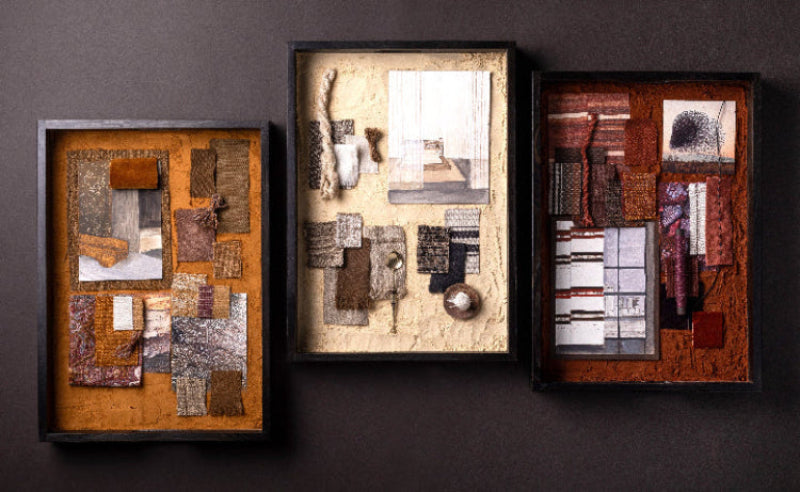
Velvet fabrics are available by the metre, allowing flexibility across interior projects. Samples can also be ordered to experience the texture, colour and quality before specifying.